
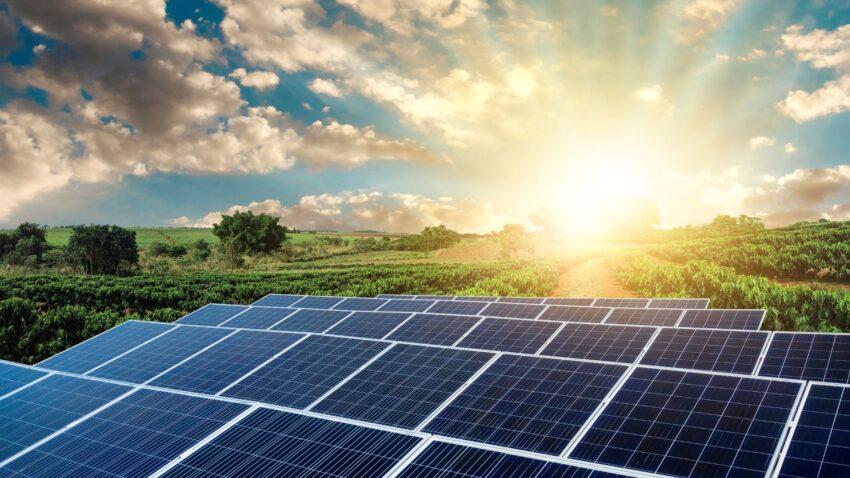
The modern world is witnessing a powerful transformation in how energy is produced, stored, and consumed, and solar technology stands at the center of this revolution. As electricity prices continue to rise and environmental awareness grows, more homeowners and businesses are turning toward solar installation as a long-term energy solution. Solar panels, once considered expensive and experimental, are now widely accessible, highly efficient, and capable of producing substantial electricity even in limited sunlight conditions. These panels capture solar radiation and convert it into usable power, reducing dependency on traditional utility grids. However, generating solar power is only part of the solution — storing that power efficiently is equally essential. This is where solar batteries play a crucial role. Solar battery systems store surplus electricity generated during the day, ensuring uninterrupted energy supply during nighttime, cloudy weather, or unexpected grid failures. Together, solar panels and battery storage create a self-reliant energy ecosystem that provides stability, cost savings, and independence. Complementing these advancements is the integration of smart HVAC systems, which manage heating, cooling, and ventilation with maximum efficiency. HVAC systems are among the largest energy consumers in buildings, but modern smart technology allows them to operate intelligently by adjusting temperature settings based on real-time data, occupancy, and weather conditions. When powered by solar energy, these systems dramatically cut electricity costs while maintaining indoor comfort. The combination of solar installation, solar batteries, energy-efficient solar panels, and smart HVAC technology is reshaping modern infrastructure, making homes and workplaces more sustainable, economical, and environmentally responsible. As governments introduce renewable energy incentives and technology continues to advance, adopting solar-powered energy systems is no longer just an option — it is a strategic move toward a cleaner, smarter, and energy-secure future.
The Rising Popularity of Solar Energy
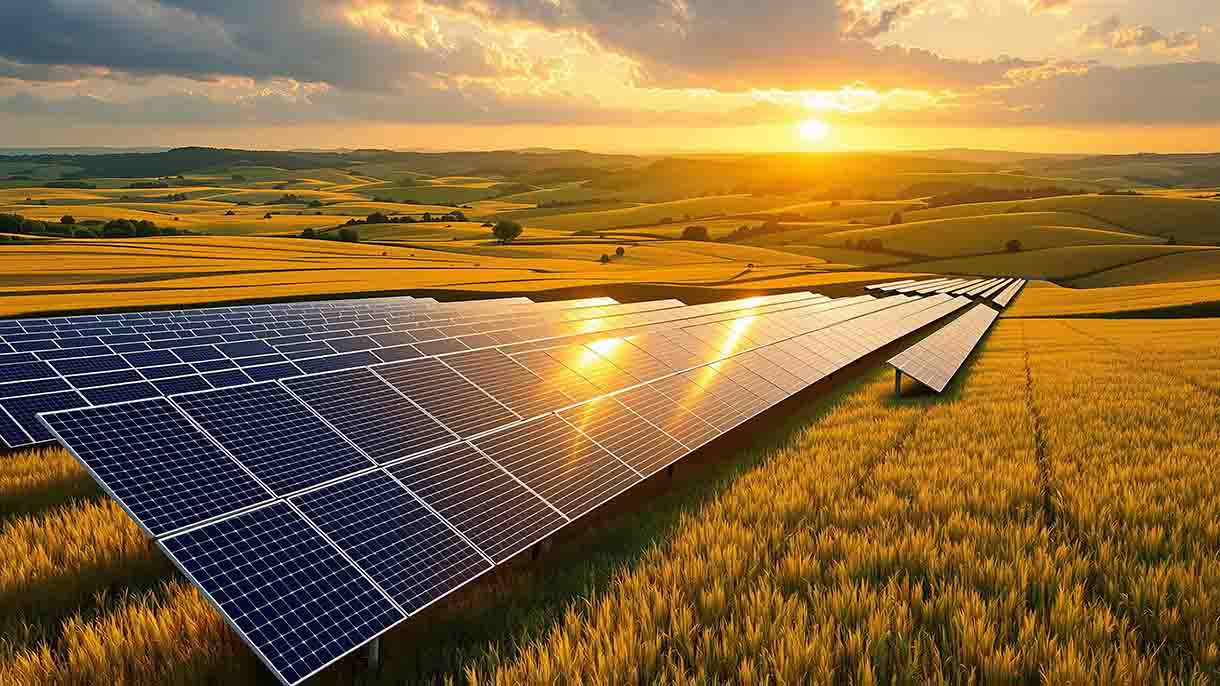
The demand for renewable energy has surged worldwide as people seek alternatives to fossil fuels. Concerns over climate change, carbon emissions, and unstable power grids have encouraged rapid adoption of solar energy systems. Unlike conventional power sources, solar energy is unlimited, clean, and does not release harmful pollutants.
Solar installation projects are now common in residential neighborhoods, commercial centers, and industrial zones. With improved affordability and flexible financing options, solar energy has become accessible to a broader audience. This global movement toward clean power is setting the foundation for a more resilient and decentralized energy infrastructure.
How Solar Panels Work and Why They Matter
Solar panels form the backbone of any solar power system. Built with photovoltaic cells, these panels absorb sunlight and convert it into direct current (DC) electricity, which is then transformed into usable alternating current (AC) through an inverter.
Modern solar panels come in various designs, offering high efficiency and long service life. Advanced materials allow them to capture sunlight even during overcast conditions. This consistent energy generation ensures reliable power output throughout the year.
Besides energy production, solar panels also contribute to long-term savings. Once installed, they require minimal maintenance and continue producing electricity for decades. Their durability and steadily improving efficiency make them one of the most practical renewable energy investments available today.
Solar Batteries: The Key to 24/7 Solar Power
One of the biggest challenges of solar energy has always been energy availability during non-sunlight hours. Solar batteries solve this issue by storing unused energy for later consumption. This stored power can run essential appliances, lighting, and HVAC systems even when the sun is not shining.
Battery storage also protects users from power outages, providing a reliable backup energy source. This is particularly valuable in regions with unstable grid infrastructure. Furthermore, solar batteries reduce dependency on net metering systems, giving users more control over their energy usage.
With advancements in lithium-ion and solid-state battery technology, modern solar batteries offer faster charging, longer lifespan, and enhanced safety features. As battery prices decline, more solar users are adding storage solutions to maximize system efficiency and energy independence.
Smart HVAC Systems and Solar Integration
Heating, ventilation, and air conditioning systems account for a significant portion of electricity consumption in buildings. Traditional HVAC systems operate continuously without adjusting to real-time conditions, leading to energy waste.
Smart HVAC technology changes this by using sensors, artificial intelligence, and automation to regulate indoor climate efficiently. These systems learn user behavior, detect room occupancy, and adjust temperature levels automatically. When powered by solar-generated electricity, smart HVAC systems become even more cost-effective and sustainable.
By synchronizing HVAC operation with peak solar energy production hours, users can drastically reduce grid dependency. This seamless integration improves energy efficiency, enhances comfort, and lowers operational costs.
Advantages of Solar Installation for Property Owners
Solar energy systems offer numerous financial and environmental benefits. Some of the most notable advantages include:
-
Significant reduction in electricity bills
-
Lower carbon footprint and cleaner environment
-
Protection against rising energy prices
-
Energy reliability during power outages
-
Increased property resale value
For businesses, solar installations also strengthen corporate sustainability goals and enhance public image. Customers increasingly support environmentally responsible brands, making solar adoption a competitive advantage.
Government Incentives and Financial Support
Many governments actively encourage solar adoption through tax credits, rebates, and subsidy programs. These incentives reduce installation costs and shorten return-on-investment periods.
Additionally, flexible financing options such as solar leasing and installment plans make it easier for homeowners to go solar without large upfront payments. These financial structures have played a major role in accelerating global solar adoption.
Digital Monitoring and Energy Control
Today’s solar systems come equipped with smart monitoring tools that allow users to track energy production, battery storage, and appliance consumption through mobile applications. This real-time visibility helps identify energy waste and optimize usage patterns.
Smart monitoring also detects technical issues early, preventing performance losses. With data-driven control, users can maximize solar output, improve battery efficiency, and better coordinate HVAC operation with available solar power.
Common Myths About Solar Energy
Some people still believe that solar energy is unreliable or too expensive. However, technology advancements have eliminated many early limitations. Solar panels now perform well in low-light conditions, and maintenance requirements are minimal.
Another misconception is that solar installation damages rooftops. In reality, professional installation protects roofing structures and can even extend roof lifespan by shielding it from harsh weather exposure.
These improvements have made solar energy a dependable and practical choice for modern energy needs.
Emerging Innovations in Solar Technology
The future of solar energy is filled with exciting innovations. Solar roof tiles, flexible solar sheets, and transparent solar glass are transforming how buildings incorporate renewable energy. At the same time, next-generation batteries promise higher storage capacity and faster charging.
Artificial intelligence will further improve smart HVAC systems and home energy management, creating fully automated solar-powered living environments. These innovations will make energy systems smarter, cleaner, and more efficient than ever before.
Long-Term Financial Impact of Going Solar
While solar installation requires an initial investment, long-term savings are substantial. Reduced utility bills, government incentives, and increased property value ensure strong financial returns.
As global electricity costs continue to rise, solar-powered homes and businesses will enjoy stable and predictable energy expenses. This long-term economic security is one of the strongest reasons behind the growing popularity of solar solutions.
Conclusion
Solar panels, solar batteries, smart HVAC systems, and professional solar installation are shaping the future of sustainable energy. Together, these technologies provide clean power, energy independence, and unmatched efficiency. They reduce environmental impact while offering long-term financial benefits.
As the world transitions toward renewable energy, adopting solar technology is no longer a luxury — it is a necessity. Those who invest in solar today are preparing for a future where energy is clean, smart, reliable, and powered by the sun.