
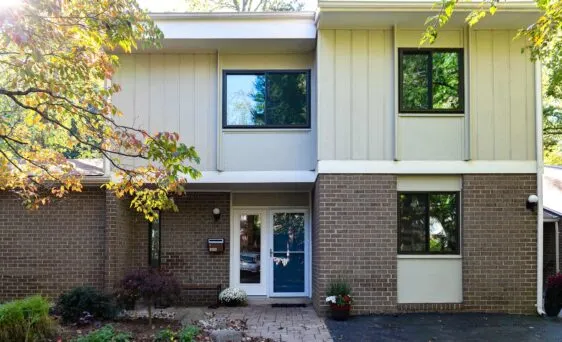
Windows play a critical role in your home’s comfort, energy efficiency, security, and overall appearance. Over time, however, even high-quality windows can develop issues such as drafts, condensation, difficulty opening or closing, or visible frame damage. When these problems arise, homeowners are often faced with an important decision: should they repair the existing windows or invest in a full window replacement? Choosing the right option is not always straightforward, as it depends on several factors including the age of your windows, the extent of the damage, energy efficiency goals, and your long-term renovation plans. Window repair is often seen as the more affordable, short-term solution, especially for minor issues like broken seals, cracked glass, or faulty hardware. On the other hand, window replacement can provide significant long-term benefits, such as improved insulation, lower energy bills, enhanced curb appeal, and increased property value. Making the wrong choice can lead to recurring maintenance costs or missed opportunities for energy savings. That is why understanding the key differences between window repair and window replacement is essential before making a decision. This guide will help you evaluate the condition of your current windows, compare costs and benefits, and determine which option best suits your home and budget. Whether you are dealing with aging single-pane windows or newer units showing early signs of wear, knowing when to repair and when to replace can help you make a smart, cost-effective investment in your home.

When Window Repair Is the Right Choice
Window repair is typically the best option when the damage is minor and the window frame is still in good condition. Common repair scenarios include:
-
Broken or cracked glass panes
-
Faulty locks, hinges, or handles
-
Drafts caused by worn weatherstripping
-
Minor seal failures
Repairs are generally less expensive upfront and can extend the life of your windows by several years. If your windows are relatively new and structurally sound, repairs can restore functionality without the higher cost of replacement.
When You Should Consider Window Replacement
Window replacement becomes the better option when issues are widespread or structural. You should consider replacement if:
-
Windows are over 20 years old
-
Frames are rotting, warped, or damaged
-
You experience persistent drafts and heat loss
-
Condensation forms between double or triple panes
-
Energy bills continue to rise despite repairs
Modern replacement windows offer advanced insulation, Low-E coatings, and improved soundproofing, making them a strong long-term investment.
Cost Comparison: Repair vs. Replacement
Window repairs usually cost significantly less in the short term, but repeated fixes can add up over time. Replacement windows have a higher initial cost but often pay for themselves through energy savings, reduced maintenance, and increased home value.
Energy Efficiency and Long-Term Value
New windows can dramatically improve energy efficiency, especially when replacing outdated single-pane or poorly insulated models. This can result in lower heating and cooling costs and a more comfortable living environment year-round.
How to Make the Final Decision
To choose between window repair and replacement, assess the age, condition, and performance of your windows. Consider your budget, long-term plans, and energy efficiency goals. Consulting a professional can also help you identify the most cost-effective solution for your home.
Final Thoughts
Both window repair and window replacement have their advantages. The key is understanding your specific situation and choosing the option that delivers the best balance of cost, performance, and long-term value for your home.