
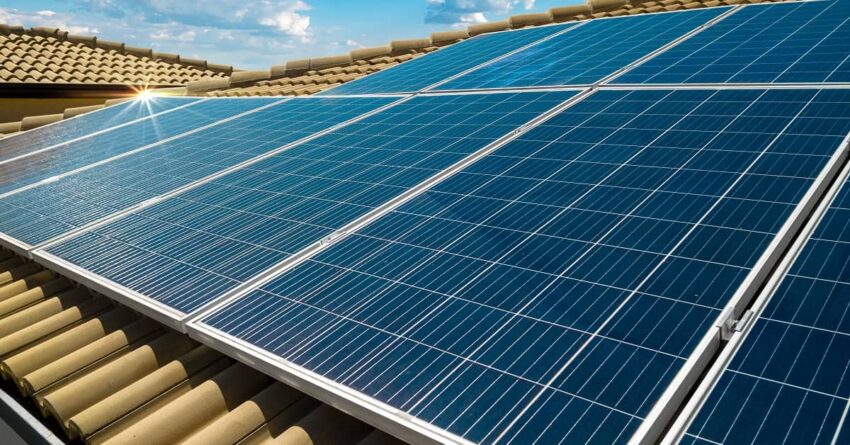
Energy consumption patterns across the world are changing rapidly, driven by rising electricity costs, environmental concerns, and technological innovation. At the heart of this transformation lies solar installation — a solution that allows homes and businesses to generate their own electricity directly from sunlight. Solar panels have become more efficient, affordable, and visually adaptable, making them suitable for rooftops, commercial buildings, and even ground-mounted solar farms. These panels capture solar energy during daylight hours and convert it into usable power, significantly reducing dependence on traditional grid electricity. However, producing energy is only one part of building a reliable power system. To ensure continuous availability, solar batteries are integrated to store excess electricity for later use. These storage systems provide backup power during nighttime, cloudy conditions, or unexpected grid failures, giving users true energy independence. Alongside solar panels and battery storage, smart HVAC systems are redefining how indoor environments are heated, cooled, and ventilated. Conventional HVAC systems are known for high energy consumption, but modern intelligent HVAC solutions use automation, sensors, and real-time data to optimize performance. When powered by solar-generated electricity, these systems maintain ideal indoor comfort while keeping energy costs under control. The combination of solar installation, advanced solar panels, high-capacity solar batteries, and smart HVAC technology is reshaping residential and commercial energy infrastructure. This integrated approach not only reduces monthly utility bills but also lowers carbon emissions and increases property value. As renewable energy incentives expand and technology continues to evolve, adopting solar-powered systems is becoming an essential step toward sustainable, cost-effective, and future-ready living.
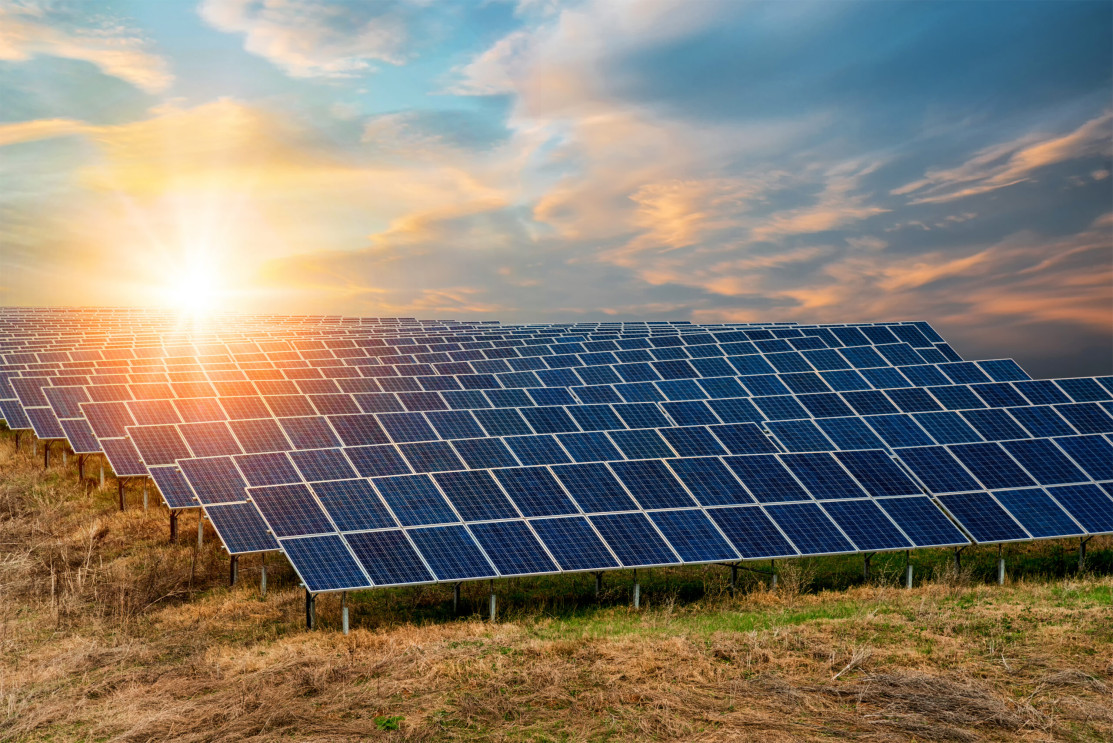
Why Solar Energy is Becoming a Global Priority
The world’s reliance on fossil fuels has created environmental and economic challenges, including pollution, climate change, and volatile energy prices. Solar energy offers a clean and renewable alternative that addresses these issues directly. Since sunlight is freely available and abundant, it provides a sustainable energy source without fuel costs.
Governments, corporations, and individuals are now prioritizing solar installation to meet energy needs responsibly. Large-scale solar plants are being developed to support national grids, while smaller residential systems are empowering homeowners to generate their own electricity. This widespread adoption is creating a decentralized energy model that is more resilient and less dependent on centralized power stations.
Solar Panels: Turning Sunlight into Usable Electricity
Solar panels are the foundation of any solar power system. Made from photovoltaic cells, they capture sunlight and convert it into direct current electricity. This electricity is then converted into alternating current by an inverter so it can power appliances, lighting, and HVAC systems.
Technological advancements have dramatically improved solar panel efficiency. Modern panels can generate higher energy output from smaller surface areas, making them ideal even for homes with limited roof space. They are also designed to withstand extreme weather conditions, ensuring long-term durability and consistent performance.
With a lifespan of 25 to 30 years and minimal maintenance requirements, solar panels provide a long-term energy solution that continues delivering value for decades.
The Importance of Solar Batteries in Energy Storage
Solar energy production peaks during daylight hours, but energy demand often continues after sunset. Solar batteries solve this challenge by storing surplus electricity generated during the day for later use.
Battery storage systems allow users to rely less on the grid and more on their own generated power. During power outages, solar batteries provide uninterrupted electricity to essential appliances and systems. This feature is especially valuable in regions with unstable or overloaded grid infrastructure.
Modern lithium-based batteries are compact, efficient, and designed with advanced safety systems. They can charge quickly, discharge smoothly, and last for many years. As battery prices decrease, energy storage is becoming a standard component of new solar installations.
Smart HVAC: Redefining Comfort and Efficiency
Heating and cooling systems account for a large portion of electricity usage in buildings. Traditional HVAC units operate with fixed settings, often consuming more energy than necessary. Smart HVAC systems offer a more efficient alternative.
These systems use sensors, machine learning, and automation to adjust temperature based on occupancy, weather conditions, and user preferences. They can be controlled remotely through mobile apps, allowing users to manage energy usage from anywhere.
When integrated with solar power systems, smart HVAC units can schedule heavy cooling or heating tasks during peak solar production hours. This reduces grid dependency and maximizes the use of clean, self-generated electricity.
Financial Benefits of Solar Installation
One of the strongest motivations for adopting solar energy is long-term financial savings. Although initial installation costs exist, they are quickly offset by reduced electricity bills and government incentives.
Key financial benefits include:
-
Lower monthly power bills
-
Protection from rising electricity prices
-
Attractive return on investment over time
-
Increased home or building resale value
-
Reduced maintenance costs compared to traditional generators
For businesses, solar adoption also demonstrates environmental responsibility, strengthening brand reputation and customer trust.
Government Incentives and Solar-Friendly Policies
To accelerate renewable energy adoption, many countries offer financial incentives for solar installation. These include tax credits, rebates, low-interest loans, and net-metering programs.
Such policies make solar power more accessible to homeowners and businesses. With supportive government initiatives and improving technology, the transition to solar energy has never been easier or more affordable.
Smart Monitoring and Energy Management
Modern solar power systems include digital monitoring tools that track energy production, battery levels, and household consumption in real time. These insights allow users to optimize how and when they use electricity.
Smart monitoring helps detect system issues early, ensuring maximum efficiency and preventing costly repairs. It also allows better coordination between solar production, battery storage, and HVAC operation, creating a fully optimized energy ecosystem.
Addressing Common Concerns About Solar Energy
Some people hesitate to install solar systems due to misconceptions. A common belief is that solar panels do not work in cloudy weather. In reality, panels still generate electricity even under diffused sunlight.
Others worry about roof damage, but professional solar installation actually protects roofing surfaces and increases structural durability. Maintenance requirements are minimal, usually limited to occasional cleaning and system inspections.
With these concerns addressed, solar energy has become one of the most reliable and user-friendly power solutions available.
Future Innovations in Solar and HVAC Technology
The next generation of solar technology promises even greater efficiency and flexibility. Solar roof tiles, transparent solar windows, and flexible solar sheets are redefining architectural design possibilities.
Battery technology is also advancing, with solid-state batteries and higher-capacity storage solutions under development. Meanwhile, artificial intelligence will continue improving smart HVAC systems, making energy management fully automated.
These innovations will create intelligent buildings that generate, store, and manage their own energy with minimal human intervention.
Environmental Impact of Going Solar
Beyond financial savings, solar energy offers significant environmental benefits. It reduces carbon emissions, decreases air pollution, and minimizes reliance on fossil fuels. Every solar-powered home or business contributes to a cleaner and healthier planet.
As more people adopt solar installation and smart energy systems, global progress toward sustainability accelerates. Solar power is no longer just an alternative energy source — it is a necessary solution for environmental preservation.
Conclusion
Solar panels, solar batteries, smart HVAC systems, and professional solar installation are shaping the future of energy. Together, they provide reliable electricity, improved comfort, lower costs, and environmental protection. As technology advances and incentives grow, solar-powered living is becoming the new standard.
Investing in solar energy today means securing a future of clean, efficient, and independent power. The sun offers unlimited potential — and with the right technology, that potential is now fully within reach.