
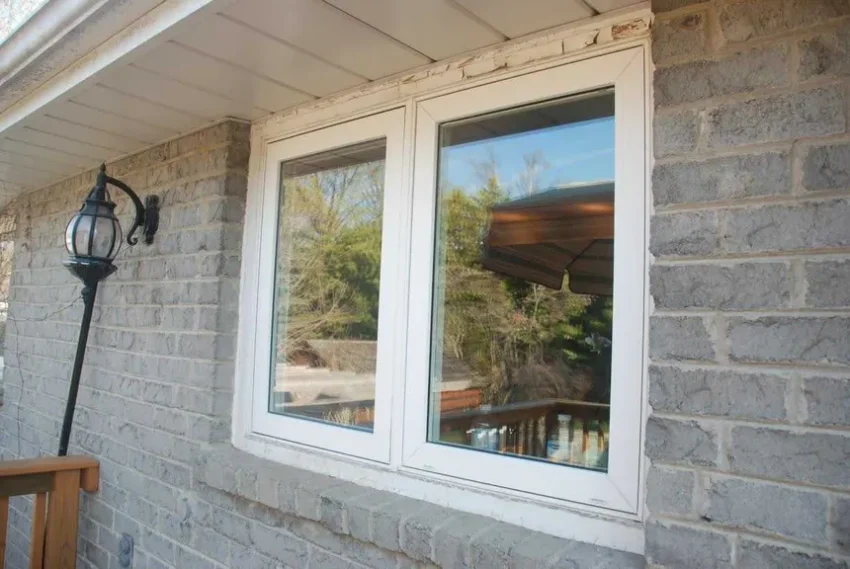
Energy-efficient windows have become an essential feature in modern homes as homeowners look for ways to reduce energy costs, improve indoor comfort, and increase property value. Traditional windows often allow heat to escape during colder months and let excessive heat enter during warmer seasons, forcing heating and cooling systems to work harder. This inefficiency not only increases monthly utility bills but also puts unnecessary strain on HVAC systems. Energy-efficient windows are specifically designed to minimize heat transfer, regulate indoor temperatures, and reduce energy loss throughout the year. By using advanced technologies such as double or triple glazing, Low-E glass coatings, insulated frames, and gas-filled panes, these windows provide superior thermal performance compared to older models. For homeowners planning a renovation or new construction, choosing the right energy-efficient windows can result in long-term financial savings and a more comfortable living environment. While the upfront cost of energy-efficient windows may be higher than standard options, the long-term benefits often outweigh the initial investment. Reduced energy bills, fewer maintenance issues, and improved resale value make them a smart choice for modern homes. Understanding the different types of energy-efficient windows, their costs, and how much you can save over time is key to making an informed decision. This guide breaks down the most efficient window options available today, explains their benefits, and helps you evaluate whether upgrading to energy-efficient windows is the right move for your home and budget.

Types of Energy-Efficient Windows
Modern energy-efficient windows come in several configurations, including:
-
Double-pane windows for improved insulation
-
Triple-pane windows for maximum thermal performance
-
Low-E coated glass to reflect heat and UV rays
-
Gas-filled panes using argon or krypton for added insulation
Each option offers different levels of energy savings depending on your climate and home design.
Cost of Energy-Efficient Windows
The cost of energy-efficient windows varies based on window type, size, frame material, and installation complexity. While prices are higher upfront, many homeowners experience noticeable reductions in heating and cooling costs over time.
Key Benefits for Modern Homes
Energy-efficient windows provide multiple benefits, including:
-
Lower energy bills
-
Improved indoor comfort
-
Reduced noise pollution
-
Protection against UV damage to furniture and flooring
These advantages make them ideal for both new builds and renovation projects.
How Much Can You Save on Energy Bills?
Savings depend on factors such as climate, window quality, and existing insulation. In many cases, homeowners can recover their investment through reduced energy costs within a few years.
Choosing the Right Energy-Efficient Windows
To select the best windows for your home, consider your local climate, budget, and energy-efficiency ratings. Professional installation is also critical to ensure optimal performance and long-term savings.
Final Thoughts
Energy-efficient windows are a valuable upgrade for modern homes, offering long-term savings, enhanced comfort, and improved sustainability. By understanding costs, benefits, and potential savings, you can confidently choose windows that meet both your performance needs and financial goals.