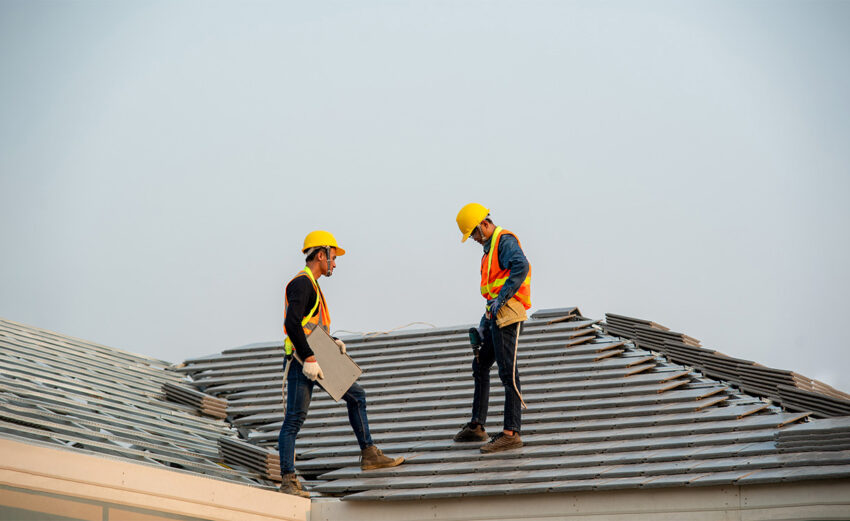
The Changing Expectations of Roofing Systems
In today’s construction landscape, roofing must do more than cover a structure. It is expected to resist extreme weather, contribute to thermal comfort, and complement architectural design. This shift has made roof renovation a strategic upgrade rather than a basic repair task.
Older roofs often lack modern insulation layers and waterproofing systems. Renovation modernizes these features, making buildings more resilient to climate changes and reducing long-term maintenance demands. A renewed roof also refreshes the exterior appearance, giving older properties a contemporary look.
Why Roof Pipe Installation Is Essential
Roof pipe systems are often hidden from sight, but their function is crucial. Drainage pipes remove rainwater efficiently, preventing ponding that weakens roofing materials. Ventilation pipes, on the other hand, release warm, moist air from beneath roof layers, stopping condensation from forming.
Incorrect roof pipe installation can lead to slow water flow, blockages, and backflow issues. Over time, these problems contribute to leakage and internal damage. Professional installation ensures proper slope alignment, tight fittings, and durable connections that withstand heavy rainfall and debris buildup.
Roof Repairing as Preventive Protection
Roof repairing is the process of restoring minor damage before it spreads. Small cracks, loose tiles, broken shingles, and worn flashing may seem harmless, but they are often the starting point of larger roofing failures.
Timely repair work stabilizes roofing structures and prevents water from entering hidden layers. Regular inspection schedules help detect vulnerable areas early, allowing cost-effective solutions instead of full roof replacement.
Repairing also preserves roof aesthetics, maintaining property value and curb appeal.
Understanding Roof Leakage and Its Warning Signs
Roof leakage occurs when water penetrates through roofing layers and enters interior spaces. The most common causes include aging materials, improper sealing, blocked drainage pipes, and storm damage.
Warning signs may include:
-
Discolored patches on ceilings
-
Bubbling or peeling paint
-
Persistent musty odors
-
Mold formation in attic spaces
Once leaks appear, immediate attention is essential. Waterproof membranes, fresh sealants, and targeted material replacement are effective solutions for restoring watertight protection.
Renovation Methods for Different Roof Structures
Not all roofs require the same renovation approach. Solutions may include:
-
Re-tiling traditional sloped roofs
-
Applying liquid waterproof coatings to flat roofs
-
Replacing corroded metal roofing sheets
-
Installing insulation boards under roof layers
-
Strengthening timber or steel roof frames
Selecting the right method depends on roof age, structural condition, and environmental factors.
Roofing and Indoor Energy Performance
Roof condition directly affects indoor climate control. Poor roofing allows heat to escape in cold seasons and excessive heat to enter in warm months. Renovation introduces modern insulation and reflective materials that stabilize indoor temperatures.
As a result, heating and cooling systems operate more efficiently, reducing energy bills and improving comfort levels. Energy-efficient roofing is now a major selling point in property markets.
The Advantage of Professional Roofing Teams
Roof work requires technical knowledge, proper equipment, and safety awareness. Professional roofing teams assess roof conditions accurately and deliver durable results.
They use certified materials, apply correct installation techniques, and provide warranties for completed projects. This reduces future repair risks and ensures compliance with building standards.
Maintenance Habits That Extend Roof Life
Simple maintenance practices can significantly lengthen roof lifespan:
-
Clearing leaves and debris from roof surfaces
-
Keeping drainage pipes free from blockages
-
Checking for loose fasteners or cracks
-
Inspecting seals after heavy storms
-
Scheduling professional inspections annually
Preventive maintenance avoids sudden roofing emergencies and high repair costs.
Modern Roofing Innovations
Roofing technology continues to advance. Self-healing sealants close small cracks automatically. UV-resistant coatings prevent sun damage. Lightweight composite tiles offer superior durability.
Smart moisture sensors can now detect water intrusion beneath roof surfaces, sending alerts before visible leakage occurs. These innovations are transforming roofing into a smart protective system.
Roofing’s Influence on Property Value
A well-maintained roof is a key factor in real estate valuation. Buyers are more confident purchasing properties with recently renovated roofs because it reduces immediate repair concerns.
For commercial spaces, a reliable roof protects equipment, inventory, and daily operations. This reliability enhances business stability and property desirability.
Sustainable Roofing for Tomorrow’s Buildings
Eco-conscious roofing is gaining momentum. Recyclable materials, reflective surfaces, and green roof gardens are now integrated into modern renovation projects.
These systems lower environmental impact, improve air quality, and manage rainwater naturally. Sustainable roof renovation aligns property ownership with global environmental goals.
Conclusion
Roof renovation, roof pipe installation, roof repairing, and roof leakage prevention are vital to long-term building care. A dependable roof safeguards interior spaces, supports energy efficiency, and protects financial investment.
Through modern materials, professional workmanship, and consistent maintenance, property owners can ensure their roofs remain strong, weather-resistant, and visually appealing for decades. A resilient roof is not just protection — it is lasting security for every structure beneath it.