
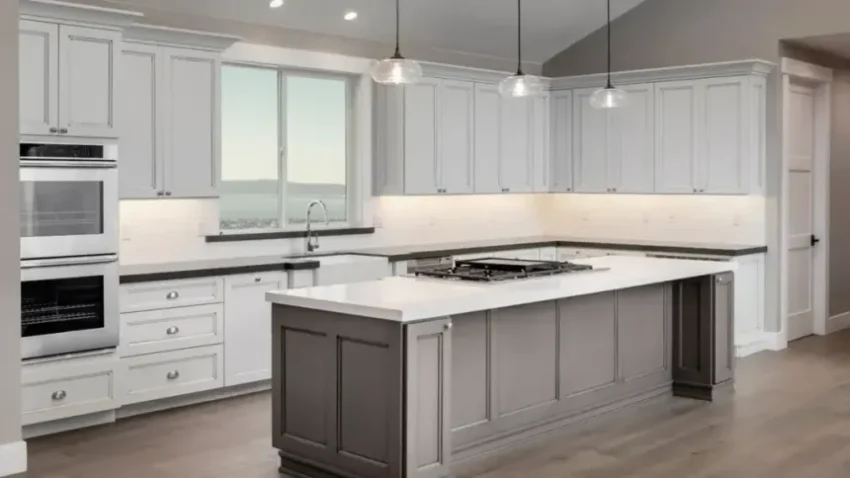
When planning a kitchen remodel, homeowners often focus first on finishes, appliances, and cabinetry styles. While these elements are important, the kitchen layout is the foundation that ultimately determines how functional, comfortable, and efficient the space will be. A well-designed layout supports smooth movement, efficient workflows, and everyday usability, while a poorly planned one can make even the most beautiful kitchen frustrating to use. In 2026, as kitchens continue to serve multiple purposes—from cooking and dining to entertaining and working from home—choosing the right layout has become more critical than ever.
Kitchen layouts are not one-size-fits-all. The ideal configuration depends on the size and shape of the room, household habits, storage needs, and how the kitchen connects to surrounding spaces. Some layouts prioritize efficiency and compact design, while others emphasize openness and social interaction. Understanding the strengths and limitations of each option helps homeowners make informed decisions that align with both lifestyle and budget. Importantly, many layout choices can be adapted without major construction by optimizing cabinet placement, appliance positioning, and circulation paths.
One of the key principles behind effective kitchen layouts is the “work triangle,” which positions the sink, stove, and refrigerator in a way that minimizes unnecessary movement. While modern kitchens often adapt or expand on this concept, efficient circulation remains central to good design. Poor layout choices can result in overcrowded work zones, wasted space, and bottlenecks that interfere with daily activities. Conversely, the right layout can make even a small kitchen feel more spacious and intuitive.
This comprehensive guide explains the most common kitchen layouts homeowners are choosing today—galley, L-shaped, U-shaped, and open-concept designs. Each layout offers unique advantages and challenges, and understanding how they function will help you determine which option best supports your space, lifestyle, and remodeling goals.

1. Galley Kitchen Layout
Overview
The galley kitchen layout consists of two parallel runs of cabinets and appliances, creating a central walkway. This design is commonly found in apartments, condos, and older homes where space is limited.
Advantages
-
Highly efficient for cooking and food preparation
-
Minimal walking distance between work zones
-
Cost-effective due to limited cabinetry and materials
Challenges
-
Can feel narrow or enclosed without proper lighting
-
Limited space for multiple users
-
Less suitable for social interaction
Best Use Cases
Galley kitchens are ideal for small spaces where efficiency is the top priority. Incorporating light colors, reflective surfaces, and strong task lighting can prevent the space from feeling cramped.
2. L-Shaped Kitchen Layout
Overview
The L-shaped layout places cabinets and appliances along two adjacent walls, forming an “L” shape. This is one of the most flexible and popular kitchen layouts in modern homes.
Advantages
-
Open and adaptable design
-
Efficient work triangle
-
Allows space for a dining area or island
Challenges
-
Corner cabinets can be difficult to access
-
Requires thoughtful planning to avoid wasted space
Best Use Cases
L-shaped kitchens work well in both small and medium-sized spaces. With smart storage solutions like lazy Susans or pull-out shelves, corner areas can be used efficiently.
3. U-Shaped Kitchen Layout
Overview
A U-shaped kitchen features cabinetry and appliances on three connected walls, creating a highly functional workspace. This layout maximizes storage and counter space.
Advantages
-
Excellent storage capacity
-
Clear separation of work zones
-
Efficient for serious home cooks
Challenges
-
Can feel closed-in if not properly designed
-
Requires sufficient width for comfortable movement
Best Use Cases
U-shaped kitchens are ideal for medium to large rooms where maximizing storage and workspace is a priority. Using light colors and minimizing upper cabinetry helps maintain a sense of openness.
4. Open-Concept Kitchen Layout
Overview
Open-concept kitchens remove walls between the kitchen and adjacent living or dining areas, creating a shared, multifunctional space. This layout has become increasingly popular in modern homes.
Advantages
-
Encourages social interaction and entertaining
-
Improves natural light and visual flow
-
Makes the kitchen feel larger
Challenges
-
Less separation between cooking and living areas
-
Requires strong ventilation and organization
-
Can increase noise and visual clutter
Best Use Cases
Open-concept layouts are ideal for households that value connectivity and entertaining. Thoughtful zoning, islands, and lighting help define areas within the open space.
5. Comparing Kitchen Layouts at a Glance
Each layout serves a different purpose:
-
Galley kitchens prioritize efficiency in tight spaces.
-
L-shaped kitchens offer flexibility and openness.
-
U-shaped kitchens maximize storage and workspace.
-
Open-concept kitchens emphasize social interaction and flow.
Choosing the right layout often involves balancing space limitations with lifestyle needs.
6. Key Factors to Consider When Choosing a Layout
Kitchen Size and Shape
The physical dimensions of your kitchen will heavily influence which layouts are practical.
Household Lifestyle
Consider how many people use the kitchen and how often you entertain.
Storage Requirements
Some layouts naturally provide more cabinet and pantry space than others.
Budget and Remodeling Scope
Layouts that require moving walls, plumbing, or electrical systems typically cost more.
7. Improving Layout Efficiency Without Major Construction
-
Reposition appliances within the existing footprint
-
Use smart storage solutions to reduce clutter
-
Improve lighting to enhance visibility and flow
-
Upgrade cabinetry for better accessibility
Small adjustments can significantly improve how a layout functions.
8. Common Layout Mistakes to Avoid
-
Ignoring traffic flow and clearance space
-
Placing appliances too close together
-
Overcrowding with excessive cabinetry
-
Poor lighting in key work areas
Avoiding these mistakes ensures your kitchen layout remains practical and comfortable.
Conclusion
Understanding kitchen layouts is essential for creating a space that functions well and supports everyday life. Galley, L-shaped, U-shaped, and open-concept designs each offer distinct advantages depending on space, lifestyle, and budget. By carefully evaluating your needs and the characteristics of each layout, you can choose a kitchen configuration that enhances efficiency, comfort, and long-term value—forming the foundation of a successful kitchen remodel.