
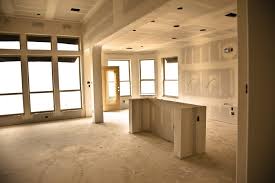
Flooring is one of the most important visual and functional elements of any home. It defines the look of interior spaces, influences comfort underfoot, and plays a key role in overall property value. Over time, however, daily foot traffic, furniture movement, moisture exposure, and natural aging cause floors to lose their shine, develop cracks, loosen tiles, or warp wooden planks. This makes home flooring renovation an essential step in maintaining a beautiful and durable living environment. Flooring renovation involves restoring worn surfaces, replacing damaged sections, upgrading outdated materials, and installing modern designs that better match current lifestyle trends. Alongside renovation, flooring repairing focuses on fixing specific issues such as cracked tiles, chipped marble edges, loose boards, or uneven surfaces before they worsen. Remodeling takes flooring improvement a step further by redesigning floor layouts, changing material combinations, or upgrading from basic finishes to premium options like hardwood, luxury vinyl, or natural stone. Meanwhile, new floor making includes fresh installation of wooden floors, ceramic tiles, marble flooring, or engineered materials that offer improved durability and visual appeal. Each flooring choice carries unique benefits in terms of maintenance, comfort, and design flexibility. Modern flooring technologies now provide scratch-resistant coatings, moisture-proof layers, and noise-reduction underlayment systems, making floors stronger and more practical for

The Growing Importance of Home Flooring Renovation
As interior design trends evolve, outdated flooring can make even the most beautiful home appear old-fashioned. Renovating floors refreshes the entire atmosphere without major structural changes. Another important factor in home flooring is surface preparation before installation. A strong, level, and clean subfloor ensures that wooden planks, tiles, or marble slabs sit firmly without shifting over time. Poor preparation can lead to uneven floors, hollow tile sounds, and early material damage. Professional surface leveling and moisture barrier installation prevent these problems and guarantee long-lasting flooring performance.
Flooring renovation projects may involve refinishing wooden surfaces, re-polishing marble, re-grouting tiles, or replacing damaged sections. These upgrades restore floor beauty and improve resistance to wear.
Renovated flooring also supports better hygiene by eliminating cracks where dust and bacteria collect. Underlayment layers also play a major role in modern floor making. These layers provide cushioning, sound absorption, and thermal insulation. In multi-story homes, underlayment reduces footstep noise and improves comfort for both upper and lower floors. Moisture-resistant underlayment protects wooden flooring from humidity damage, increasing durability.
Flooring Repairing: Fixing Damage Before It Spreads
Minor floor damage can quickly worsen if ignored. Cracked tiles may expand, loose boards can lift, and scratched surfaces lose protection.
Flooring repairing addresses these issues through tile replacement, wood plank adjustment, surface filling, and edge sealing. Timely repairs prevent costly full-floor replacement. Flooring design trends continue to evolve with technology. Large-format tiles create seamless modern looks with fewer joints. Matte-finish wooden floors provide natural elegance with minimal glare. Patterned tile layouts and mixed-material flooring add artistic flair to interiors. These creative choices help homeowners achieve personalized and visually striking spaces.
Repair work also ensures safe walking surfaces and reduces tripping hazards.
Remodeling Floors for Modern Lifestyles
Floor remodeling allows homeowners to transform interior themes. Many choose to replace old carpets with hardwood floors, switch ceramic tiles to marble, or combine materials for creative patterns.
Open-plan homes benefit from continuous flooring designs that improve space flow. Floor remodeling also improves lighting reflection, making rooms appear larger and brighter.
Remodeled floors increase home resale value and modern appeal.
Wooden Flooring: Timeless Warmth and Elegance
Wooden floors remain a popular choice for their natural beauty and warmth. Options include solid hardwood, engineered wood, and laminate flooring.
Wood flooring is durable, easy to clean, and suitable for various design styles. Modern protective coatings make wooden floors resistant to scratches and moisture.
Proper installation and occasional refinishing keep wooden floors looking new for decades.
Tile Home Flooring: Versatility and Durability
Tiles offer endless design possibilities. Ceramic, porcelain, and patterned tiles are widely used in kitchens, bathrooms, and living areas.
Tile floors resist water, stains, and heat. They are easy to maintain and highly durable.
Modern tile designs now replicate wood and stone textures, offering style with lower cost.
Marble Flooring: Luxury and Sophistication
Marble floors bring elegance and high-end appeal. Each slab features unique natural patterns, creating distinctive interiors.
Marble flooring is strong and long-lasting, though it requires sealing and regular polishing to maintain shine.
Luxury homes and hotels often choose marble for its timeless prestige.
Floor Making and Installation Methods
New floor making involves preparing surfaces, leveling subfloors, installing underlayment, and fitting chosen materials precisely.
Professional installation ensures correct alignment, secure fixing, and long-lasting stability. Quality installation prevents future loosening and uneven surfaces.
Proper floor making improves comfort, insulation, and noise reduction.
Floor Maintenance for Long-Term Performance
Routine maintenance preserves floor appearance and durability. Sweeping, mopping, and using suitable cleaning products prevent surface damage.
Protective pads under furniture, area rugs, and regular polishing extend floor lifespan.
Scheduled inspections detect early wear and avoid major repairs.
Flooring and Indoor Comfort
Floors influence room temperature and acoustics. Wooden and carpeted floors offer warmth, while tiles and marble provide cooling effects in hot climates.
Noise-reduction underlayment minimizes sound transfer between rooms. Comfortable flooring enhances everyday living experience.
Eco-Friendly Flooring Trends
Sustainable flooring is gaining popularity. Bamboo, cork, recycled wood, and low-emission materials support environmental responsibility.
Eco-friendly floors improve indoor air quality and reduce environmental impact.
Green flooring choices attract environmentally conscious buyers.
Professional Flooring Services vs DIY Installation
While small floor repairs may be done at home, full renovation and installation require skilled professionals.
Experts ensure precise cutting, accurate leveling, and durable finishing. Professional services prevent costly errors and guarantee long-term results.
Flooring and Property Value
Modern flooring significantly boosts property market appeal. Buyers prefer homes with updated wooden, tile, or marble floors.
Quality flooring increases resale price and rental desirability.
Conclusion
Home flooring renovation, remodeling, repairing, and new floor making transform interior spaces into stylish, durable, and comfortable environments. From warm wooden floors to elegant marble and versatile tiles, flooring choices define home character.
Investing in quality flooring improves daily comfort, simplifies maintenance, and increases property value. A beautifully finished floor is not just decoration — it is a lasting foundation for modern living.