
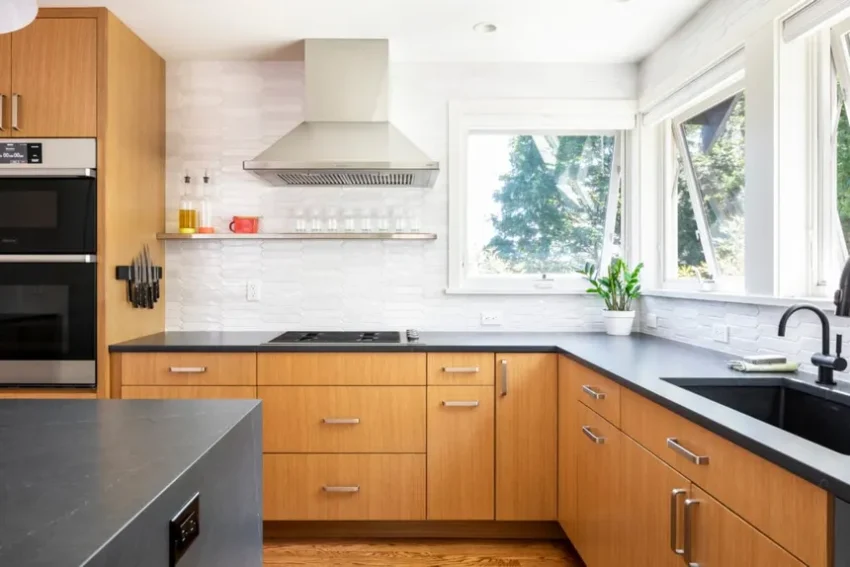
Kitchen remodeling remains one of the most impactful and high-value home improvement investments that a homeowner can undertake in 2026. Whether you’re modernizing an outdated space, expanding the area, improving functionality, or simply increasing your property’s resale appeal, understanding the costs involved is critical to establishing a realistic budget and successful project outcome. In 2026, average kitchen remodeling costs continue to vary widely due to several key factors — including the project scope, materials selected, labor rates, geographic location, and whether structural changes (such as moving walls or plumbing) are required. Based on current industry data, a typical full kitchen remodel may cost anywhere between $15,000 and $60,000 for small to mid-range projects, while high-end renovations frequently exceed $100,000 once premium materials, custom cabinetry, and major structural changes are included.
Small cosmetic updates — such as new paint, refreshed hardware, or cabinet refacing — will sit at the lower end of the spectrum. Mid-range projects often involve replacing cabinets, countertops, flooring, and appliances, and typically fall in the $30,000–$68,000 range. For those pursuing luxury custom kitchens with bespoke cabinetry, high-end stone countertops, designer lighting, and layout reconfiguration, total costs may range from $85,000 to $190,000 or more depending on design complexity and market conditions.
Significant price variability stems from regional differences in labor and material costs. For example, remodeling a kitchen in a high-cost urban market will usually be more expensive than in a rural or lower-cost region, while permits, inspections, and local building codes can also influence final pricing. Importantly, cabinetry consistently represents one of the largest single cost components — often consuming 25–40 percent of a project budget — followed by labor, countertops, plumbing/electrical upgrades, flooring, and appliances.
This comprehensive guide will walk you through the essential elements of kitchen remodeling costs in 2026, from detailed pricing breakdowns of individual components to practical tips on budgeting, cost-saving strategies, and planning best practices so that you can approach your renovation with confidence.
1. Average Kitchen Remodeling Costs in 2026
National Averages and Ranges
• Small or Basic Remodel: Approximately $15,000–$30,000 – cosmetic updates, minor changes, and budget materials.
• Mid-Range Remodel: Around $30,000–$68,000 – includes new cabinets, counters, flooring, and appliances.
• Large or High-End Remodel: $85,000–$190,000+ – bespoke design, structural changes, luxury materials.
Different sources show slight variations based on methodology. Some estimates suggest average full remodel costs of $15,000–$60,000, while others place mid-range projects at closer to $25,000–$55,000 and luxury builds at $150,000+.
Per Square Foot Pricing
A common pricing model uses cost per square foot to estimate total costs. Typical ranges in 2026 are roughly $150–$500+ per square foot, influenced by finishes and structural changes.
2. Key Cost Components and Breakdown
Cabinetry
Cabinets often represent the largest portion of the budget, accounting for 25–40 percent of total costs. Stock cabinets are most affordable, semi-custom options cost more, and fully custom solutions are premium.
Countertops
Material choice dramatically affects pricing. Laminate and solid surfaces provide economy, while quartz and natural stone command premium pricing.
Appliances
Standard appliances cost significantly less than smart or energy-efficient high-end models. Allocate a specific portion of your overall budget if upgrading major appliances.
Flooring
Vinyl and engineered materials are cost-effective; tile, hardwood, or stone raise expenses accordingly.
Lighting & Electrical Upgrades
Modern lighting plans improve functionality and appearance but contribute noticeably to total costs.
Plumbing & Fixtures
Sink, faucet, and other plumbing upgrades may require professional installation costs.
Backsplash & Finishes
Tiling and finish work provide visual impact and protection but should be budgeted accordingly.
3. Factors That Influence Remodeling Costs
Scope and Complexity
Structural changes (e.g., moving walls or utilities) significantly increase labor and permit costs.
Material Selection
Premium finishes, imported materials, and custom designs raise costs; choosing mid-range alternatives can reduce them.
Labor Costs and Regional Variation
Labor rates vary by location and market demand. Urban areas typically incur higher labor expenses than rural regions.
Appliance Quality and Features
High-efficiency, smart-enabled appliances add to cost but can improve long-term energy savings.
Permits and Regulations
Local permit requirements and building codes may add fees and project time to the overall budget.
4. Budgeting Tips for 2026 Kitchen Remodels
Set Clear Priorities
Decide which elements matter most — such as cabinet quality or countertop material — and allocate your budget accordingly.
Request Multiple Quotes
Collect detailed bids from at least three contractors to compare labor rates, material allowances, timelines, and warranties.
Plan for Contingencies
Set aside an extra 10–20 percent of your budget for unforeseen issues like hidden structural damage or code upgrades.
Consider Phased Upgrades
If your budget is constrained, you can phase the project: start with essential upgrades and defer luxury finishes until later.
5. Cost-Saving Strategies
Refinish Instead of Replace
Refacing cabinets or refreshing hardware can reduce costs versus full replacements.
Choose Mid-Range Materials
Quartz, solid surface, and quality laminate can offer balance between price and durability.
Retain Layout
Avoid moving plumbing or walls where possible to save on labor and permit fees.
DIY Where Feasible
Painting and minor tile installation might be DIY opportunities for experienced homeowners.
Conclusion
Kitchen remodeling in 2026 remains a strategic investment that enhances both daily living and home value. By understanding cost ranges, major price drivers, and practical budgeting strategies, you can approach your project with clarity and confidence. Whether you are planning a modest refresh or a full custom transformation, detailed planning and informed decisions will help you maximize your investment and achieve your desired outcome.