
Medical insurance is undergoing one of the most significant transformations in its history. What was once a system designed mainly to reimburse hospital bills is now evolving into a complex ecosystem that focuses on prevention, personalization, technology integration, and consumer empowerment. As healthcare costs rise globally and patient expectations change, insurance providers are being forced to innovate rapidly. The result is a new generation of healthcare coverage that is smarter, more flexible, more data-driven, and more patient-centered than ever before. Over the past decade, several major forces have reshaped the medical insurance landscape. Digital technology has revolutionized access to care. Telemedicine has changed how patients interact with doctors. Artificial intelligence has improved risk assessment and claims processing. Wearable devices are influencing wellness programs. Mental health has gained long-overdue attention. Consumers now expect transparency, convenience, and customization from their insurance providers, just as they do from banks, online retailers, and streaming platforms. At the same time, global healthcare systems face serious challenges. Aging populations are increasing demand for long-term care. Chronic diseases such as diabetes, cardiovascular disease, and obesity are rising worldwide. Pandemics and public health crises have exposed weaknesses in traditional insurance models. Governments, regulators, and private insurers are under pressure to find sustainable ways to expand coverage while controlling costs. These pressures are not just driving incremental changes. They are redefining what medical insurance actually means. Today, insurance is increasingly about helping people stay healthy, not just paying for treatment after they become sick. Many insurers now view themselves as healthcare partners rather than simply financial intermediaries.
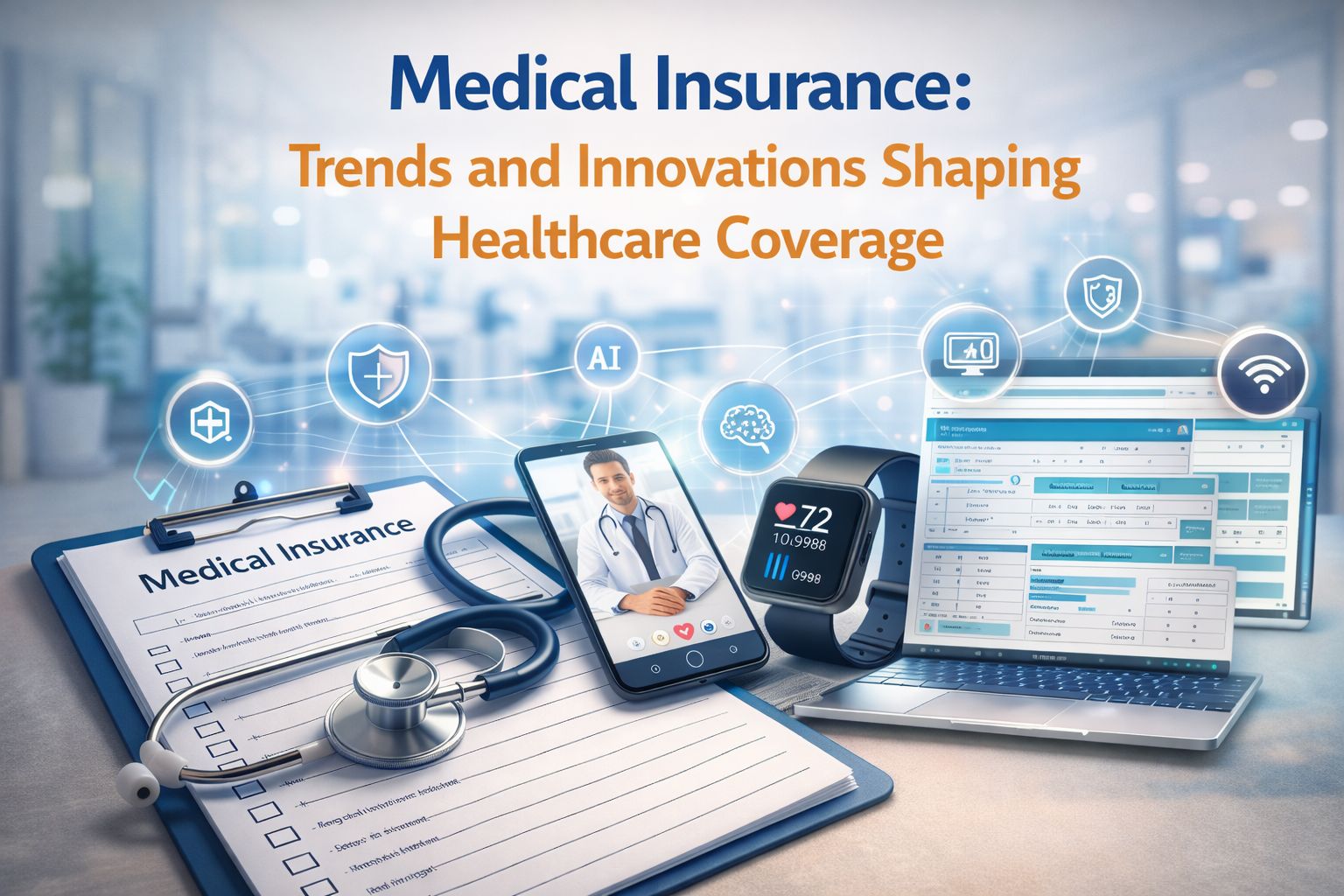
Understanding the trends and innovations shaping medical insurance is essential for consumers, professionals, and policymakers alike. The type of coverage available today is very different from what existed just a few years ago, and the changes are accelerating. People who understand these developments are better positioned to choose the right coverage, take advantage of new benefits, and protect their long-term health and financial stability.
This article explores the most important trends and innovations transforming healthcare coverage. From digital health platforms and AI-driven services to personalized plans and preventive care models, we will examine how medical insurance is evolving and what it means for the future of healthcare.
The Shift from Treatment to Prevention
One of the most important trends in modern medical insurance is the move away from purely reactive care toward proactive health management.
Traditionally, insurance existed primarily to cover the cost of treatment after someone became ill or injured. Today, insurers increasingly recognize that preventing illness is more effective and more affordable than treating advanced disease. As a result, many policies now include expanded preventive care benefits.
These often include annual health checkups, screenings, vaccinations, wellness coaching, nutritional counseling, weight management programs, and smoking cessation support. Some insurers even offer financial incentives for healthy behavior, such as discounts on premiums or reward points for meeting fitness goals.
This preventive approach benefits both sides. Individuals enjoy better health and quality of life, while insurers benefit from lower long-term claims costs.
Digital Transformation of Health Insurance
Technology is at the center of nearly every innovation in medical insurance. Digital platforms have fundamentally changed how people interact with their insurance providers.
Most major insurers now offer mobile apps and online portals that allow users to:
-
View policy details
-
Track claims
-
Find in-network providers
-
Book appointments
-
Access telehealth services
-
Download digital ID cards
-
Communicate with support teams
This level of convenience was unimaginable in traditional insurance systems. Digital tools also reduce administrative costs for insurers, which can lead to more efficient operations and improved customer experiences.
In many regions, digital-first insurance companies are emerging that operate almost entirely online, offering streamlined onboarding, fast approvals, and real-time support.
Telemedicine Becoming Standard Coverage
Telemedicine is no longer considered an optional extra. It is now a core benefit in many health insurance plans.
Virtual doctor consultations allow patients to receive medical advice, prescriptions, follow-ups, and mental health care without visiting a clinic. This is particularly valuable for people in rural areas, individuals with mobility challenges, and those with busy schedules.
From the insurer’s perspective, telemedicine is also cost-effective. Virtual visits are often cheaper than in-person appointments, and they can reduce unnecessary emergency room visits.
As a result, many insurers now actively promote telehealth services and integrate them directly into their platforms.
Personalized and Modular Insurance Plans
Modern consumers expect personalization in every aspect of their lives, and insurance is no exception. One of the most significant innovations in healthcare coverage is the shift toward more flexible and customizable plans.
Instead of rigid, one-size-fits-all policies, many insurers now offer modular plans where individuals can choose the coverage components most relevant to them. For example, someone may add enhanced maternity coverage, mental health services, dental benefits, vision care, or alternative therapies based on their needs.
Data analytics also allow insurers to offer more personalized pricing and benefits. Lifestyle factors, health history, and usage patterns increasingly influence plan recommendations.
This trend reflects a broader shift toward consumer-centric healthcare, where individuals have greater control over their coverage choices.
Artificial Intelligence in Insurance Operations
Artificial intelligence is quietly transforming how medical insurance works behind the scenes.
AI is now used in underwriting to analyze risk more accurately and process applications faster. It is also widely used in claims processing, where automation can review documents, detect inconsistencies, and approve straightforward claims in minutes rather than days.
Fraud detection is another area where AI plays a critical role. By identifying unusual patterns in claims data, insurers can reduce fraudulent activity, which helps control overall costs.
Chatbots and virtual assistants powered by AI are also becoming common, offering instant customer support and answering policy-related questions 24/7.
The Integration of Wearable Technology
Wearable devices such as fitness trackers and smartwatches are influencing the future of healthcare coverage. These devices collect real-time data on physical activity, heart rate, sleep quality, and other health indicators.
Some insurers are incorporating this data into wellness programs. With user consent, individuals who demonstrate healthy behaviors may receive rewards, lower premiums, or additional benefits.
This approach encourages healthier lifestyles while giving insurers valuable insights into risk patterns. However, it also raises important questions about privacy, consent, and ethical data use, which insurers must handle carefully.
Mental Health Coverage Expansion
Mental health is finally receiving the attention it deserves in medical insurance.
Historically, mental health services were often limited, excluded, or treated as secondary to physical health. Today, this is changing rapidly. Many insurers now offer expanded coverage for therapy, counseling, psychiatric care, and digital mental health platforms.
Virtual therapy apps, online counseling sessions, and 24/7 emotional support services are becoming standard features in many plans. This reflects growing recognition that mental health is a fundamental part of overall well-being.
Greater Transparency in Pricing and Coverage
Consumers are demanding more transparency from insurers, and companies are responding.
Many insurers now provide clearer policy documentation, simplified explanations of benefits, and online tools that help members estimate healthcare costs before receiving treatment. Some platforms allow users to compare prices between providers, giving them more control over healthcare spending.
This trend toward transparency is empowering consumers and pushing insurers to compete not only on coverage but also on clarity and trust.
Value-Based Care Partnerships
A growing innovation in healthcare coverage is the shift toward value-based care. Instead of paying providers based on the number of procedures performed, insurers are increasingly partnering with healthcare organizations that focus on patient outcomes.
In value-based models, doctors and hospitals are rewarded for keeping patients healthy, managing chronic conditions effectively, and reducing hospital readmissions. This approach aligns incentives across the system and encourages higher-quality care.
This model is still evolving, but it represents a fundamental shift in how healthcare and insurance interact.
Flexible Coverage for Changing Work Patterns
The rise of remote work, freelancing, and gig economy jobs has changed how people access insurance. Many individuals no longer have traditional employer-provided health benefits.
In response, insurers are developing more flexible plans designed for independent workers. These may include short-term coverage options, portable benefits, and subscription-style models that allow users to adjust coverage as their needs change.
This flexibility is becoming increasingly important as work patterns continue to evolve.
Data Privacy and Security Challenges
As medical insurance becomes more digital and data-driven, protecting sensitive health information is a critical concern. Health data is among the most valuable and sensitive types of personal information.
Insurers are investing heavily in cybersecurity measures, encryption technologies, and compliance with privacy regulations. Trust is becoming a key differentiator. Companies that demonstrate strong data protection practices are more likely to gain long-term consumer loyalty.
Consumers are also becoming more aware of how their data is used, leading to greater demand for transparency and control.
The Future of Medical Insurance
The future of medical insurance will likely be shaped by deeper integration of technology, greater personalization, and closer collaboration between insurers, healthcare providers, and technology companies.
Insurance may increasingly function as a comprehensive health platform rather than a simple financial product. People may rely on their insurers not only for coverage but also for continuous health monitoring, preventive guidance, and personalized care coordination.
As innovation continues, those who stay informed will be better equipped to navigate the changing landscape and make smarter decisions about their healthcare coverage.
Final Thoughts
Medical insurance is no longer just about paying medical bills. It is becoming a sophisticated system designed to support healthier lives through technology, personalization, prevention, and accessibility. The trends and innovations shaping healthcare coverage today are redefining how people experience healthcare and how insurers deliver value.
For consumers, this evolution brings both opportunity and responsibility. There are more options, more tools, and more benefits than ever before, but also more complexity. Understanding these trends allows individuals to choose coverage wisely, take advantage of modern benefits, and protect both their health and financial future.