
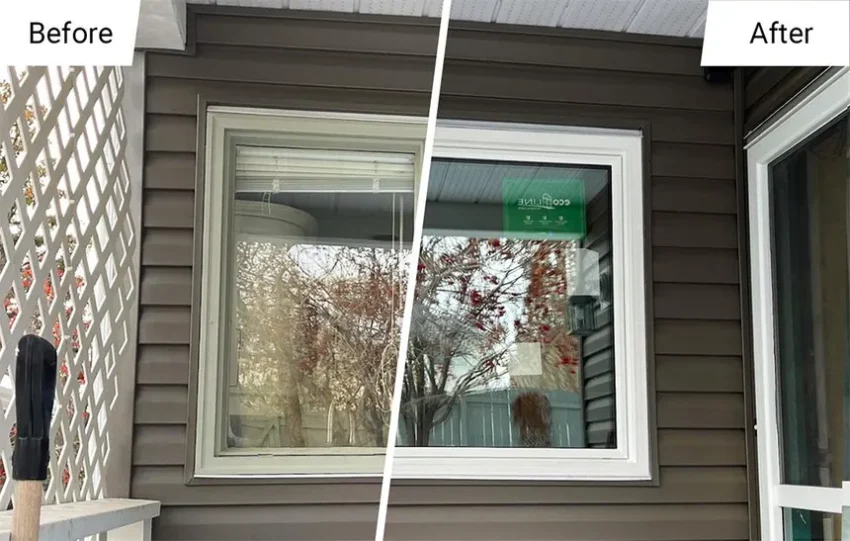
Windows are one of the most important components of a home, yet they are often overlooked until serious problems arise. Many homeowners live with inefficient or damaged windows without realizing how much these issues affect energy costs, comfort, and even structural integrity. Over time, windows are exposed to constant weather changes, moisture, and temperature fluctuations, all of which contribute to gradual wear and tear. Small problems such as minor drafts or difficulty opening a window may seem insignificant at first, but they often signal deeper issues that worsen over time. Ignoring these warning signs can lead to higher utility bills, reduced indoor comfort, and costly repairs down the line. In some cases, outdated or failing windows can even compromise home security and curb appeal. Knowing when to replace your windows instead of continuing to repair them is critical for protecting your investment and maintaining a comfortable living environment. Modern replacement windows are designed to provide better insulation, improved durability, and enhanced performance compared to older models. However, many homeowners delay replacement because the signs are not always obvious or are mistaken for normal aging. Understanding the most common indicators that your windows are no longer performing as they should can help you take action before problems escalate. This guide highlights the key signs it is time to replace your windows and explains why addressing these issues early can save you money, improve comfort, and increase the long-term value of your home.

Persistent Drafts and Air Leaks
If you feel cold or warm air entering your home near closed windows, it is a clear sign of failing seals or poor insulation. Persistent drafts force your heating and cooling systems to work harder, increasing energy costs and reducing indoor comfort.
Rising Energy Bills Without Explanation
A steady increase in energy bills often points to inefficient windows. Older or damaged windows allow heat to escape in winter and enter during summer, leading to higher heating and cooling expenses.
Difficulty Opening, Closing, or Locking Windows
Windows that stick, jam, or fail to lock properly may have warped frames or damaged hardware. These issues not only affect usability but can also pose safety and security risks.
Condensation Between Glass Panes
Moisture trapped between double or triple panes indicates a broken seal. Once this happens, the window loses its insulating properties and should be replaced rather than repaired.
Visible Damage or Decay
Cracked glass, rotting wood frames, or corrosion around window components are strong indicators that replacement is necessary. Structural damage can worsen over time if not addressed.
Excessive Outside Noise
If outdoor noise easily enters your home, your windows may no longer provide adequate sound insulation. Modern windows offer improved noise reduction along with better energy efficiency.
Final Thoughts
Recognizing the signs that it is time to replace your windows can help you avoid ongoing repairs and rising energy costs. By addressing these common problems early, you can upgrade to modern windows that improve comfort, efficiency, security, and the overall value of your home.