
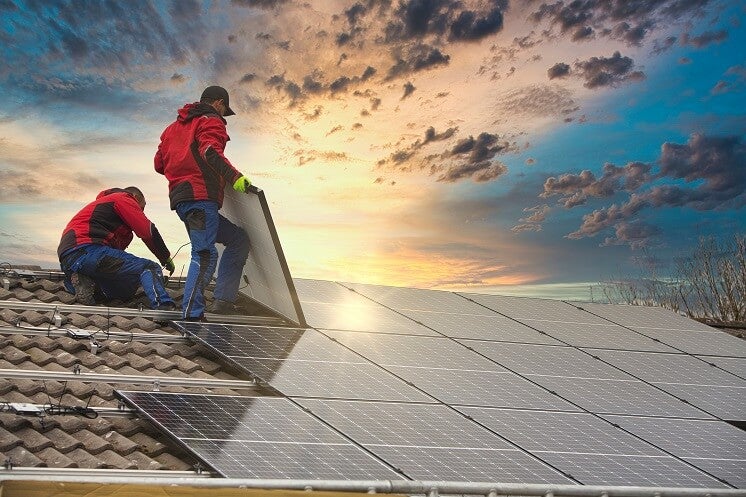
As global energy demands continue to rise, homeowners and businesses are increasingly turning toward renewable and efficient solutions to reduce costs and environmental impact. Among the most powerful advancements in this space are solar installation systems, solar batteries, high-performance solar panels, and intelligent HVAC technologies. Solar panels have evolved dramatically over the last decade, becoming more efficient, durable, and affordable, making solar installation a practical investment for residential and commercial properties alike. Once installed, these panels convert sunlight into clean electricity, reducing dependency on traditional power grids and lowering monthly utility bills. However, the real game-changer in modern solar systems is the integration of solar batteries. These batteries store excess energy generated during peak sunlight hours, ensuring a steady power supply even at night or during outages. This combination of solar panels and battery storage creates a self-sustaining energy ecosystem that offers reliability, independence, and long-term savings. Alongside these innovations, smart HVAC (Heating, Ventilation, and Air Conditioning) systems are redefining indoor comfort while maximizing energy efficiency. Traditional HVAC units consume significant electricity, but modern smart HVAC systems work seamlessly with solar installations, optimizing energy usage based on real-time weather conditions and occupancy. The synergy between solar energy systems and intelligent HVAC technology not only reduces carbon footprints but also enhances property value and sustainability. As governments offer incentives for renewable energy adoption and consumers become more eco-conscious, investing in solar installation, solar batteries, and smart HVAC systems is no longer just a trend—it’s a forward-thinking solution for a smarter, greener, and more cost-effective future.
The Growing Demand for Renewable Energy Solutions
The global shift toward renewable energy is accelerating faster than ever before. Rising electricity costs, frequent power outages, and environmental concerns are pushing individuals and organizations to seek sustainable alternatives. Solar energy stands at the forefront of this transformation because it is abundant, clean, and increasingly accessible. Unlike fossil fuels, solar power does not produce harmful emissions, making it one of the most environmentally friendly energy sources available today.
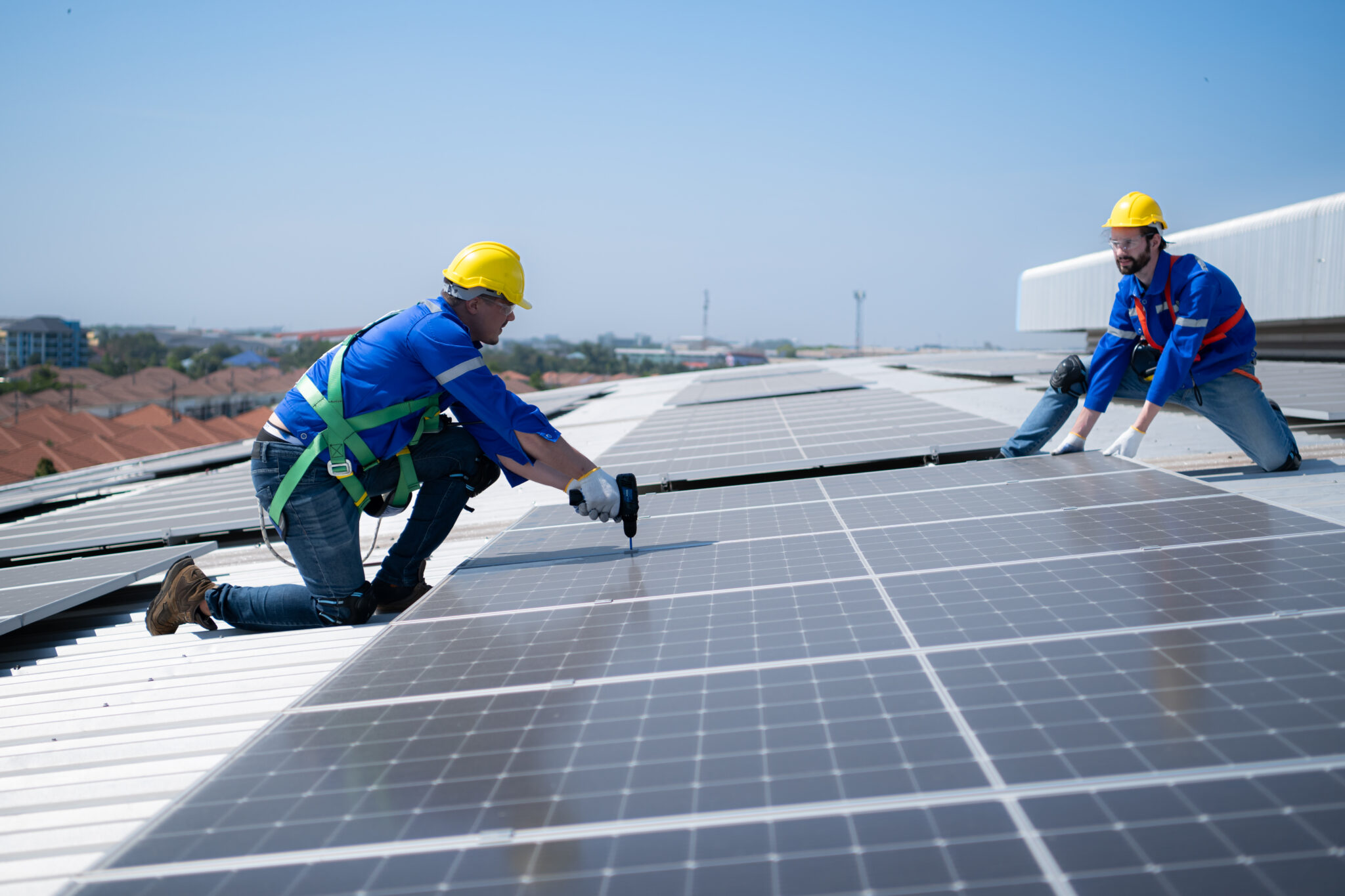
Solar installation is now seen not only as a way to cut energy costs but also as a strategic long-term investment. Many countries offer tax credits, rebates, and financing options to encourage solar adoption. As a result, more households and businesses are integrating solar technology into their infrastructure, contributing to a decentralized and resilient energy future.
Understanding Solar Panels: The Heart of Solar Systems
Solar panels are the foundation of any solar energy system. These panels consist of photovoltaic (PV) cells that convert sunlight into electrical energy. Modern solar panels are designed to capture maximum sunlight even in low-light conditions, improving overall efficiency.
There are different types of solar panels available, including monocrystalline, polycrystalline, and thin-film panels. Each type offers unique benefits in terms of cost, efficiency, and space utilization. Choosing the right panel depends on energy needs, available roof space, and budget. With proper installation and maintenance, high-quality solar panels can last 25 to 30 years, making them a durable and reliable energy solution.
Solar Batteries: Power Storage for Energy Independence
While solar panels generate electricity during the day, solar batteries ensure that this energy is stored for later use. Without battery storage, excess energy is often sent back to the grid, which may not always provide full financial benefits. Solar batteries solve this problem by allowing homeowners to store surplus electricity and use it during nighttime or power outages.
This storage capability significantly increases energy independence. In areas where power supply is unreliable, solar batteries provide a continuous and stable electricity source. Additionally, battery technology has advanced rapidly, offering longer lifespans, faster charging, and improved safety. As battery costs continue to decrease, more people are integrating storage solutions into their solar systems.
Smart HVAC Systems: Comfort Meets Efficiency
HVAC systems play a crucial role in maintaining indoor comfort, but they are also among the highest energy-consuming appliances in homes and offices. Traditional HVAC units operate at fixed settings, often wasting energy. Smart HVAC systems, on the other hand, use sensors, automation, and artificial intelligence to optimize heating and cooling based on real-time conditions.
When paired with solar installations, smart HVAC systems can run primarily on solar-generated electricity, drastically reducing dependence on grid power. These systems can automatically adjust temperature settings during peak sunlight hours to maximize solar usage, ensuring energy efficiency without sacrificing comfort.
The integration of solar power with smart HVAC technology represents a major step toward fully energy-efficient buildings. This combination not only cuts costs but also reduces environmental impact.
Benefits of Solar Installation for Homes and Businesses
Investing in solar installation offers a wide range of benefits beyond energy savings. Some of the key advantages include:
-
Lower Electricity Bills: Generate your own power and reduce monthly utility expenses.
-
Environmental Protection: Reduce carbon emissions and contribute to a cleaner planet.
-
Energy Independence: Minimize reliance on power grids and avoid outages.
-
Increased Property Value: Solar-equipped properties often have higher market value.
-
Government Incentives: Tax credits and rebates reduce initial investment costs.
For businesses, solar energy also enhances brand reputation by demonstrating commitment to sustainability, which is increasingly valued by customers and investors.
The Role of Digital Monitoring and Smart Energy Management
Modern solar systems are equipped with digital monitoring tools that allow users to track energy production and consumption in real time. Mobile apps and online dashboards provide insights into daily energy usage, battery storage levels, and system performance.
Smart energy management systems help users identify areas of improvement, optimize appliance usage, and ensure maximum return on investment. This data-driven approach makes solar systems more user-friendly and efficient, encouraging wider adoption.
Overcoming Common Concerns About Solar Energy
Despite its benefits, some people hesitate to adopt solar technology due to misconceptions. Common concerns include high upfront costs, limited sunlight, and maintenance issues. However, financing options, leasing programs, and government incentives have made solar installations more affordable than ever.
Additionally, modern solar panels are designed to perform efficiently even in cloudy conditions. Maintenance is minimal, typically requiring only occasional cleaning and system inspections. These advancements have eliminated many barriers, making solar power accessible to a broader audience.
The Future of Solar Technology
The solar industry continues to evolve with innovations such as transparent solar panels, solar roof tiles, and ultra-fast charging batteries. Research in photovoltaic technology is pushing efficiency boundaries, promising even greater energy output from smaller panel areas.
Artificial intelligence and IoT integration will further enhance smart HVAC and energy management systems, creating fully automated smart homes powered by renewable energy. As these technologies become mainstream, solar-powered living will transition from luxury to necessity.
Why Solar Energy is a Smart Long-Term Investment
Unlike traditional energy sources, solar power offers predictable long-term savings. Once installed, operating costs are minimal, and systems require little maintenance. Over time, the reduction in electricity bills can offset installation costs, leading to substantial financial benefits.
Moreover, with rising global electricity prices, investing in solar energy provides protection against future cost increases. Whether for residential or commercial use, solar installations deliver both economic and environmental returns.
Conclusion
Solar installation, solar panels, solar batteries, and smart HVAC systems are reshaping how we produce and consume energy. These technologies work together to create energy-efficient, eco-friendly, and cost-effective solutions for modern living. As renewable energy adoption continues to rise, integrating solar power into homes and businesses is no longer a futuristic concept—it is a present-day reality.
By investing in solar technology today, individuals and organizations can reduce energy expenses, increase sustainability, and contribute to a cleaner planet. The future of energy is bright, and it is powered by the sun.