
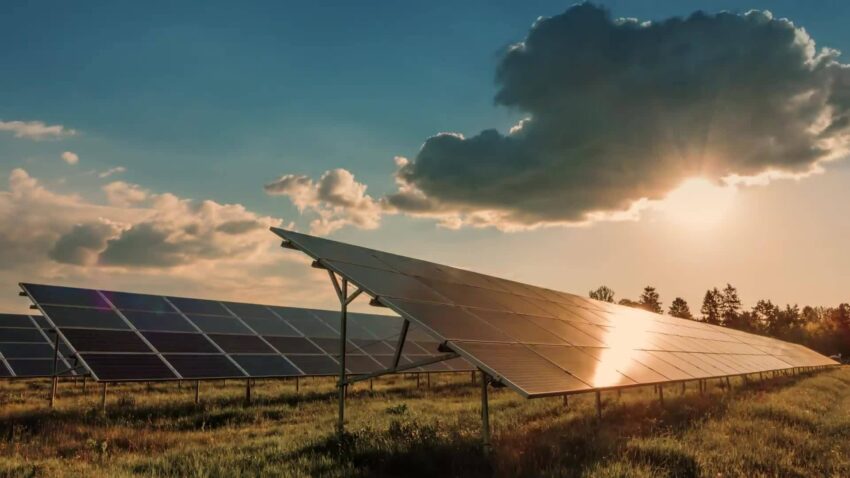
Energy has always been at the core of human progress, but the way we generate and consume power is undergoing a historic transformation. With rising global electricity costs, frequent grid instability, and growing awareness of climate change, individuals and organizations are searching for smarter and more sustainable energy solutions. Solar installation has emerged as one of the most practical and forward-looking answers to these challenges. Modern solar panels are no longer bulky or inefficient; they are sleek, high-performance systems capable of converting sunlight into clean electricity with impressive precision. By installing solar panels on rooftops or open land, homes and businesses can produce their own power instead of relying entirely on utility companies. Yet energy production alone does not guarantee reliability — this is where solar batteries become essential. These advanced storage systems collect surplus energy generated during sunny hours and preserve it for use at night, during cloudy weather, or when the grid fails. With battery integration, solar power becomes a continuous and dependable energy source rather than a daytime-only solution. Alongside these innovations, smart HVAC systems are transforming how indoor environments manage heating, cooling, and air circulation. Traditional HVAC units consume massive amounts of electricity, but intelligent climate control systems now use sensors, automation, and real-time data to optimize energy use without compromising comfort. When powered by solar energy, smart HVAC systems drastically reduce operating costs and environmental impact. Together, solar installation, efficient solar panels, high-capacity solar batteries, and intelligent HVAC technology form a complete energy ecosystem designed for modern living. This integration is not only reducing electricity bills but also increasing property value, improving energy security, and supporting global sustainability efforts. As technology advances and renewable energy incentives grow, adopting solar-powered solutions is no longer an alternative choice — it is becoming the standard for future-ready homes, businesses, and cities.
A Global Shift Toward Renewable Power
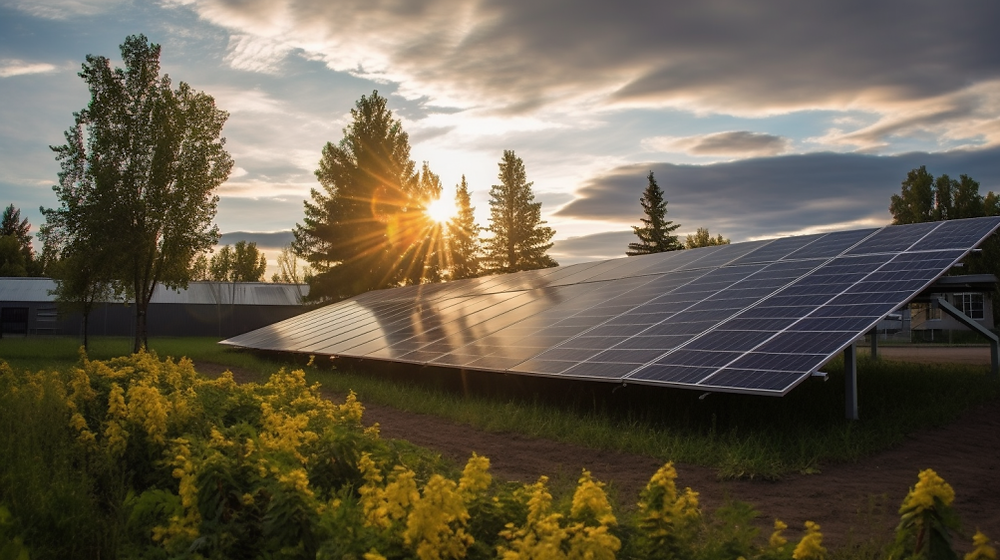
For decades, the world depended heavily on fossil fuels to meet energy demands. While effective, these sources have created long-term environmental consequences, including pollution and climate instability. Renewable energy, especially solar power, offers a cleaner path forward. Unlike coal or gas, solar energy is unlimited, free at its source, and does not emit harmful gases.
Countries around the world are investing heavily in solar infrastructure. From massive desert solar farms to residential rooftop installations, solar power is becoming a major contributor to national energy grids. This shift is helping nations reduce dependence on imported fuels and move toward energy self-sufficiency.
At the individual level, solar installation empowers homeowners to take control of their own power production. Instead of being passive consumers, people are now becoming energy producers — a change that is reshaping how electricity markets function globally.
Solar Panels: The Foundation of Clean Energy Systems
Solar panels are the core element of every solar installation. Made from photovoltaic cells, they capture sunlight and convert it into direct current electricity. An inverter then converts this into alternating current so it can be used to run appliances, lighting, HVAC systems, and electronic devices.
Recent advances in panel design have significantly increased efficiency rates. Modern panels require less space to produce higher output, making them suitable even for smaller rooftops. They are also built to withstand harsh environmental conditions such as heavy rain, strong winds, and extreme heat.
Another major advantage is longevity. High-quality solar panels can operate for 25 to 35 years with minimal performance loss. With only occasional cleaning and inspection, they continue delivering free electricity long after installation costs are recovered.
Solar Batteries: Solving the Intermittency Challenge
One of the early limitations of solar energy was its dependence on sunlight availability. Without storage, energy produced during the day could not be used at night. Solar batteries have eliminated this limitation.
These batteries store excess electricity and release it when needed, ensuring continuous power supply. They also provide protection against blackouts and grid failures, keeping essential appliances running during emergencies.
Modern battery technology, especially lithium-ion and emerging solid-state systems, offers high energy density, long lifespan, and rapid charging. As prices continue to fall, battery storage is quickly becoming a standard component in new solar installations rather than an optional add-on.
For businesses, battery storage also enables peak-load management. Stored energy can be used during high-demand hours when electricity prices are highest, leading to additional cost savings.
Smart HVAC Systems: Intelligence in Climate Control
Heating and cooling are among the largest contributors to electricity consumption. Traditional HVAC systems operate on fixed schedules or manual settings, often wasting energy. Smart HVAC systems offer a revolutionary alternative.
Using motion sensors, smart thermostats, and artificial intelligence, these systems adjust temperature automatically based on room occupancy, outdoor weather, and user habits. This dynamic control ensures that energy is used only when necessary.
When integrated with solar power, smart HVAC systems can prioritize operation during peak solar production hours. For example, cooling can be increased slightly during sunny afternoons to reduce battery usage later. This coordination between HVAC and solar systems creates a highly efficient energy loop.
Remote access through smartphone apps also allows users to monitor and adjust indoor climate from anywhere, adding convenience alongside efficiency.
Building Energy-Independent Homes
The combination of solar panels, solar batteries, and smart HVAC systems makes true energy independence possible. Homes equipped with these technologies can operate largely off-grid, relying on self-generated electricity for daily needs.
Energy independence offers multiple advantages:
-
Protection from rising electricity prices
-
Freedom from frequent power outages
-
Reduced monthly utility bills
-
Increased control over energy consumption
-
Higher property value in real estate markets
As more homes become self-powered, communities gain greater resilience, especially in regions with unstable grid infrastructure.
Commercial and Industrial Solar Adoption
Businesses are also rapidly embracing solar energy. Warehouses, shopping malls, office buildings, and factories consume enormous amounts of electricity. Solar installation allows these facilities to significantly reduce operational expenses.
Large-scale solar arrays installed on rooftops or unused land can supply a major portion of a company’s power needs. With battery backup, businesses can maintain continuous operations even during grid disruptions.
Beyond cost savings, solar adoption strengthens corporate sustainability branding. Customers and investors increasingly prefer companies that demonstrate environmental responsibility, making solar power a strategic business advantage.
Government Incentives and Economic Growth
To accelerate renewable energy adoption, many governments offer financial incentives. These include tax credits, rebates, reduced import duties on solar equipment, and net-metering policies.
Such incentives shorten the return-on-investment period for solar installations and encourage mass adoption. Additionally, the solar industry is creating thousands of new jobs in manufacturing, installation, maintenance, and system design — contributing to economic growth.
As technology matures, solar power is becoming one of the most affordable electricity sources in many regions.
Smart Energy Monitoring and Automation
Modern solar systems are equipped with intelligent monitoring platforms. These digital tools provide real-time insights into:
-
Energy production levels
-
Battery charge status
-
Household consumption patterns
-
HVAC usage efficiency
With these insights, users can make informed decisions to optimize energy usage. Automatic alerts detect system faults early, preventing performance loss and costly repairs.
In the near future, AI-driven energy management systems will automatically balance production, storage, and consumption without human input, making energy control effortless.
Environmental Impact of Solar Integration
The environmental benefits of solar power are profound. Every solar-powered building reduces dependence on fossil fuels and lowers greenhouse gas emissions. Cleaner air, reduced pollution, and slower climate change are direct outcomes of widespread solar adoption.
Moreover, modern solar panel manufacturing is increasingly focused on sustainability, with improved recycling processes and reduced material waste. This ensures that solar technology remains environmentally responsible throughout its entire life cycle.
Innovations Shaping the Future
The solar and HVAC industries continue to evolve rapidly. Some emerging innovations include:
-
Solar roof tiles integrated directly into building materials
-
Transparent solar windows generating electricity
-
Flexible solar films for curved surfaces
-
Solid-state batteries with ultra-high storage capacity
-
AI-controlled HVAC systems with predictive learning
These developments will make renewable energy systems more efficient, more affordable, and easier to integrate into daily life.
Why Investing in Solar Is a Long-Term Strategy
Unlike conventional power systems that rely on continuous fuel supply, solar power requires no ongoing resource cost. Once installed, sunlight is free. Over time, the savings generated by solar systems often exceed the initial investment.
Additionally, property buyers increasingly view solar-equipped homes as premium real estate assets. This makes solar installation not only an energy decision but also a financial investment.
As electricity prices rise worldwide, those who adopt solar today gain long-term protection against unpredictable energy markets.
Conclusion
Solar installation, solar panels, solar batteries, and smart HVAC systems are no longer futuristic concepts — they are present-day solutions transforming how we power our lives. Together, they create energy-efficient homes, resilient businesses, and sustainable cities.
By embracing these technologies, individuals and organizations gain control over energy costs, reduce environmental impact, and prepare for a future where clean power is the global standard. The transition to solar-powered living is accelerating — and those who act today will lead the energy revolution of tomorrow