
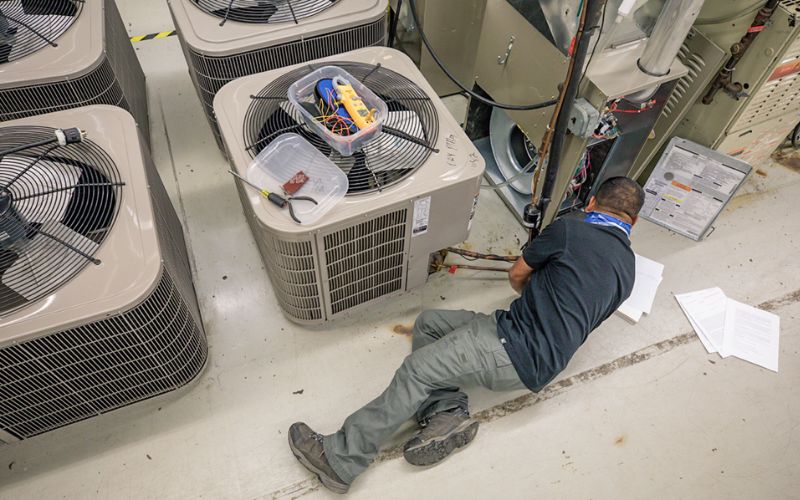
Heating, Ventilation, and Air Conditioning (HVAC) systems have become one of the most essential parts of modern living in the United States. In 2026, HVAC is no longer viewed simply as a luxury that provides comfort during extreme temperatures. It is now recognized as a critical component of health, energy efficiency, indoor air quality, productivity, and property value. As climate patterns become more unpredictable, energy costs continue to rise, and homeowners become more health-conscious, the role of HVAC systems has evolved significantly. Across the USA, millions of homes, offices, schools, hospitals, and commercial buildings rely on HVAC systems every day. From keeping families warm during harsh winters in northern states to providing life-saving cooling during intense summer heatwaves in the south and west, HVAC systems protect comfort and safety. However, modern HVAC technology now does much more than regulate temperature. Today’s systems are smarter, more energy-efficient, environmentally friendly, and deeply integrated with overall building performance. In 2026, homeowners are increasingly aware that indoor air can be more polluted than outdoor air. Dust, allergens, mold spores, pet dander, volatile organic compounds, and bacteria can all circulate inside homes without proper ventilation and filtration. HVAC systems play a key role in maintaining healthy indoor environments. At the same time, new innovations such as smart thermostats, AI-driven climate controls, zoned systems, and high-efficiency heat pumps are transforming how people interact with their homes.

Another major factor driving the importance of HVAC is energy efficiency. With rising utility bills, people are looking for solutions that reduce long-term energy consumption. Modern HVAC systems are designed to provide better performance while using less electricity or fuel. Government incentives, environmental regulations, and sustainability goals are also pushing both homeowners and businesses toward upgrading their systems.
This guide explores the most important benefits of HVAC systems in the USA in 2026. It explains how modern HVAC improves comfort, health, efficiency, financial savings, environmental impact, and overall quality of life.
Improved Indoor Comfort All Year Round
One of the most obvious benefits of HVAC systems is consistent indoor comfort. In a country as geographically diverse as the United States, weather conditions vary dramatically. Extreme heat in Arizona and Texas, freezing winters in Minnesota and New York, and high humidity in Florida create very different comfort challenges.
Modern HVAC systems allow precise temperature control throughout the year. Advanced systems can maintain consistent comfort even when outdoor temperatures fluctuate dramatically. Many systems now include zoning technology, which allows different rooms or floors to have customized temperature settings. This eliminates the common problem of one room being too hot while another is too cold.
Comfort is no longer just about temperature. Humidity control, airflow balance, and air circulation are also key parts of modern HVAC comfort solutions.
Better Indoor Air Quality and Health Benefits
Indoor air quality has become a major concern in American households. People spend a significant portion of their lives indoors, especially those who work from home. Poor air quality can contribute to allergies, asthma, respiratory issues, fatigue, and long-term health problems.
Modern HVAC systems in 2026 include advanced air filtration and purification technologies. These systems help remove:
Dust and airborne particles
Pollen and allergens
Pet dander
Mold spores
Bacteria and viruses
Smoke and odors
Volatile organic compounds from household products
High-efficiency filters, UV light purification, and whole-home air purification systems are now commonly integrated into HVAC setups. This makes HVAC systems a critical tool for maintaining healthier living environments, especially for families with children, seniors, or individuals with respiratory conditions.
Energy Efficiency and Lower Utility Bills
Energy efficiency is one of the most significant benefits of modern HVAC systems. Older heating and cooling systems often waste large amounts of energy due to outdated technology, leaks in ductwork, or inefficient operation.
In 2026, many HVAC systems use:
High-efficiency heat pumps
Variable-speed compressors
Smart thermostats
Energy-efficient furnaces
Advanced insulation integration
Automated energy optimization
These technologies allow systems to use only the energy necessary to maintain comfort, rather than running at full power constantly. Over time, this can lead to substantial savings on electricity and gas bills.
Many homeowners who upgrade to modern HVAC systems report noticeable reductions in monthly energy costs, making HVAC improvements both a comfort upgrade and a financial investment.
Smart Home Integration and Automation
One of the biggest innovations in HVAC technology is smart home integration. In 2026, many HVAC systems can be controlled through mobile apps, voice assistants, and automated scheduling.
Smart HVAC features often include:
Remote temperature control through smartphones
Learning thermostats that adapt to your habits
Automatic energy optimization
Usage reports and energy tracking
Maintenance alerts
Integration with home automation systems
This allows homeowners to manage comfort even when they are not at home. For example, you can reduce cooling while at work and automatically cool your home before you return. This improves convenience while also supporting energy efficiency.
Environmental Benefits and Sustainability
Sustainability has become a key focus in the HVAC industry. Traditional heating and cooling systems often relied on high energy consumption and refrigerants that contributed to environmental damage.
Modern HVAC systems in the USA increasingly emphasize:
Low-emission systems
Energy-efficient heat pumps
Eco-friendly refrigerants
Solar-compatible systems
Reduced carbon footprint
Compliance with green building standards
By upgrading to efficient HVAC systems, homeowners contribute to environmental protection while also benefiting from lower operating costs. Many government programs and utility companies offer incentives for installing eco-friendly HVAC systems, making sustainability more accessible.
Increased Property Value
A modern, efficient HVAC system adds significant value to a property. Buyers in 2026 are far more informed and often prioritize homes with updated mechanical systems.
A home with a new or well-maintained HVAC system offers:
Lower future maintenance concerns
Reduced energy costs
Better comfort
Healthier indoor air
Modern technology appeal
Real estate professionals often consider HVAC upgrades as one of the most impactful improvements when preparing a home for sale.
Enhanced Productivity and Comfort for Remote Work
With remote work continuing to be common across the USA, home comfort has become more important than ever. People now spend more time in their homes during working hours, which means temperature, air quality, and noise levels directly affect productivity.
Efficient HVAC systems provide:
Consistent comfort throughout the day
Reduced distractions from poor airflow or temperature swings
Quieter operation compared to older systems
Better mental focus and physical comfort
This makes HVAC not just a home improvement but also a tool that supports professional performance.
Humidity Control and Moisture Management
Humidity plays a major role in comfort and health. High humidity can cause discomfort, promote mold growth, and damage furniture. Low humidity can lead to dry skin, irritated sinuses, and increased susceptibility to illness.
Modern HVAC systems include built-in humidity control options such as:
Whole-home humidifiers
Dehumidification systems
Smart moisture sensors
Balanced ventilation systems
Proper humidity control improves comfort, protects your home, and supports overall health.
Fewer Breakdowns and Lower Maintenance with New Systems
Older HVAC systems are more likely to experience frequent breakdowns, inconsistent performance, and expensive repairs. Newer systems in 2026 are designed with durability, diagnostics, and efficiency in mind.
Many modern systems include:
Self-diagnostic features
Maintenance alerts
More reliable components
Longer system lifespans
Better manufacturer warranties
This reduces unexpected repair costs and improves long-term reliability.
Better Climate Control for Extreme Weather Events
Extreme weather events are becoming more common across the United States. Heatwaves, cold snaps, storms, and wildfires create new challenges for homeowners.
Modern HVAC systems help protect households during these events by:
Providing reliable cooling during dangerous heat
Maintaining warmth during freezing temperatures
Filtering smoke and airborne pollutants
Supporting emergency backup power systems
In many regions, HVAC is now considered essential for safety, not just comfort.
Financial Incentives and Rebates
Many homeowners in the USA can take advantage of incentives when upgrading HVAC systems. Federal programs, state programs, and utility companies often provide:
Tax credits for high-efficiency systems
Rebates for heat pump installations
Energy efficiency grants
Discounted smart thermostat programs
These incentives make upgrading HVAC systems more affordable while encouraging energy-efficient choices.
Long-Term Cost Savings
Although installing a new HVAC system can be a significant investment, the long-term benefits often outweigh the upfront cost.
Homeowners benefit from:
Lower monthly energy bills
Fewer repair costs
Extended system lifespan
Higher resale value
Reduced health-related issues
Over time, a quality HVAC system can pay for itself through savings and added value.
Final Thoughts
In 2026, HVAC systems are no longer just appliances that heat and cool homes. They are essential systems that support health, comfort, productivity, sustainability, and financial stability. From improving indoor air quality and reducing energy costs to enhancing property value and protecting against extreme weather, the benefits of HVAC extend far beyond temperature control.
As technology continues to advance, HVAC systems will become even smarter, more efficient, and more integrated into everyday life. For homeowners and businesses alike, investing in a high-quality HVAC system is one of the most practical and valuable decisions that can be made.
Whether you are upgrading an old system, building a new home, or simply learning about modern comfort solutions, understanding the benefits of HVAC helps you make smarter decisions for both today and the future.